Is Your Home Too Hot in One Room and Too Cold in Another?
Maintaining a comfortable indoor temperature should be simple, but many homeowners struggle with rooms that feel too warm, too cold, or constantly uncomfortable. If your HVAC system seems to be running nonstop but your home never feels just right, there may be underlying issues affecting your comfort and energy efficiency.
At Andy's HVAC Services, we help homeowners diagnose and solve heating and cooling problems quickly. Here are five common reasons your home never feels the right temperature and what you can do about them.
1. Your HVAC System Is the Wrong Size
An HVAC system that is too large or too small for your home can create significant comfort issues.
A system that is oversized may cool or heat the home too quickly, causing short cycling and uneven temperatures. On the other hand, an undersized system may struggle to keep up with demand, especially during extreme weather conditions.
Signs of an improperly sized system:
Hot and cold spots throughout the home
Frequent cycling on and off
High energy bills
Difficulty maintaining thermostat settings
A professional HVAC evaluation can determine whether your existing system is appropriately sized for your home.
2. Dirty Air Filters Are Restricting Airflow
One of the most common HVAC issues is also one of the easiest to fix. Dirty air filters restrict airflow, making it difficult for your system to distribute conditioned air evenly throughout the home.
When airflow is reduced, your HVAC equipment works harder to achieve the desired temperature, increasing wear and tear while reducing comfort.
Benefits of regular filter replacement:
Improved airflow
Better indoor comfort
Enhanced indoor air quality
Reduced energy consumption
Longer HVAC equipment lifespan
Most homeowners should inspect their filters monthly and replace them as needed.
3. Your Ductwork Has Leaks or Blockages
Your duct system plays a critical role in delivering heated and cooled air. If ducts are leaking, disconnected, or blocked, much of that conditioned air may never reach the intended rooms.
Even small leaks can significantly affect comfort and efficiency.
Common ductwork problems include:
Air leaks in attic or basement ducts
Crushed or damaged duct sections
Dust and debris buildup
Poor duct design
Professional duct inspection and sealing services can restore proper airflow and temperature balance throughout your home.
4. Poor Insulation Is Letting Conditioned Air Escape
No matter how well your HVAC system performs, poor insulation can make it nearly impossible to maintain a comfortable indoor environment.
Heat naturally moves from warmer areas to cooler ones. During summer, outdoor heat can enter your home through poorly insulated walls and attics. During winter, valuable heat escapes through the same areas.
Areas commonly affected by insulation problems:
Attics
Exterior walls
Crawl spaces
Around doors and windows
Improving insulation helps maintain consistent indoor temperatures while lowering energy costs year-round.
5. Your Thermostat May Be Malfunctioning
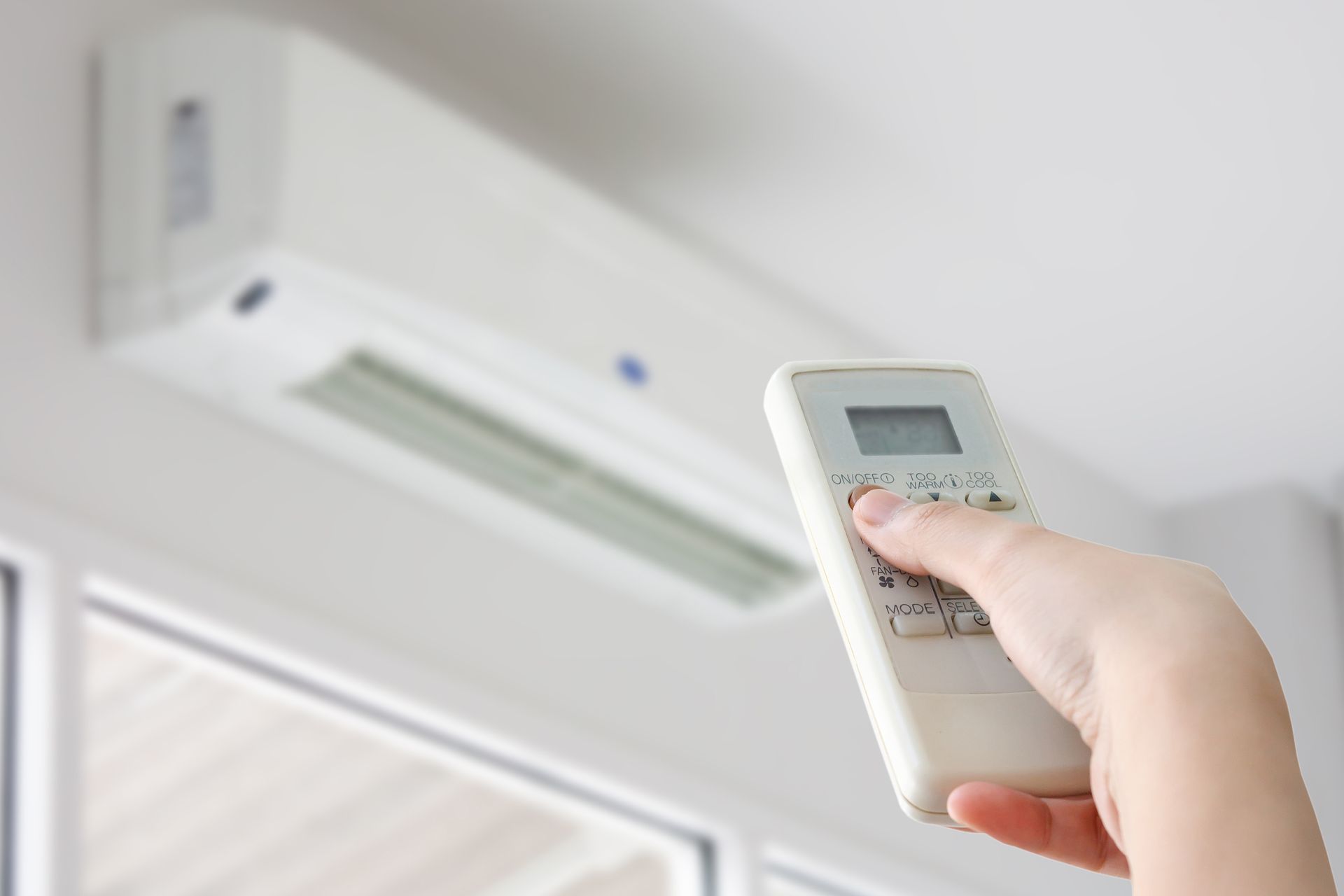
The thermostat acts as the control center for your HVAC system. If it is miscalibrated, improperly located, or malfunctioning, it can send inaccurate temperature readings to your equipment.
For example, a thermostat located near direct sunlight or heat-generating appliances may think your home is warmer than it actually is.
Thermostat issues may cause:
Inconsistent temperatures
Continuous system operation
Frequent cycling
Higher utility bills
Upgrading to a modern programmable or smart thermostat can improve comfort, convenience, and energy efficiency.
When to Call a Professional HVAC Technician
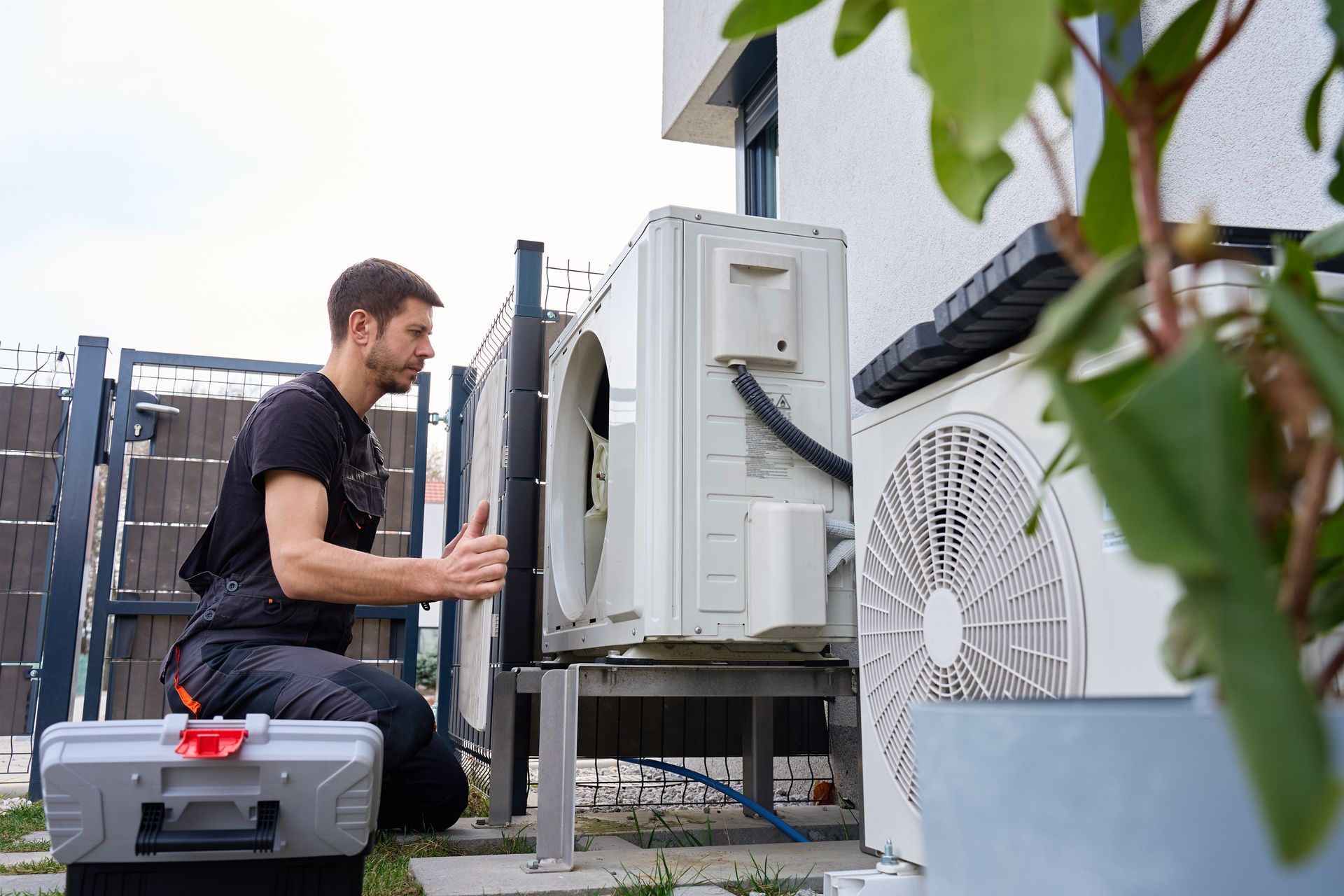
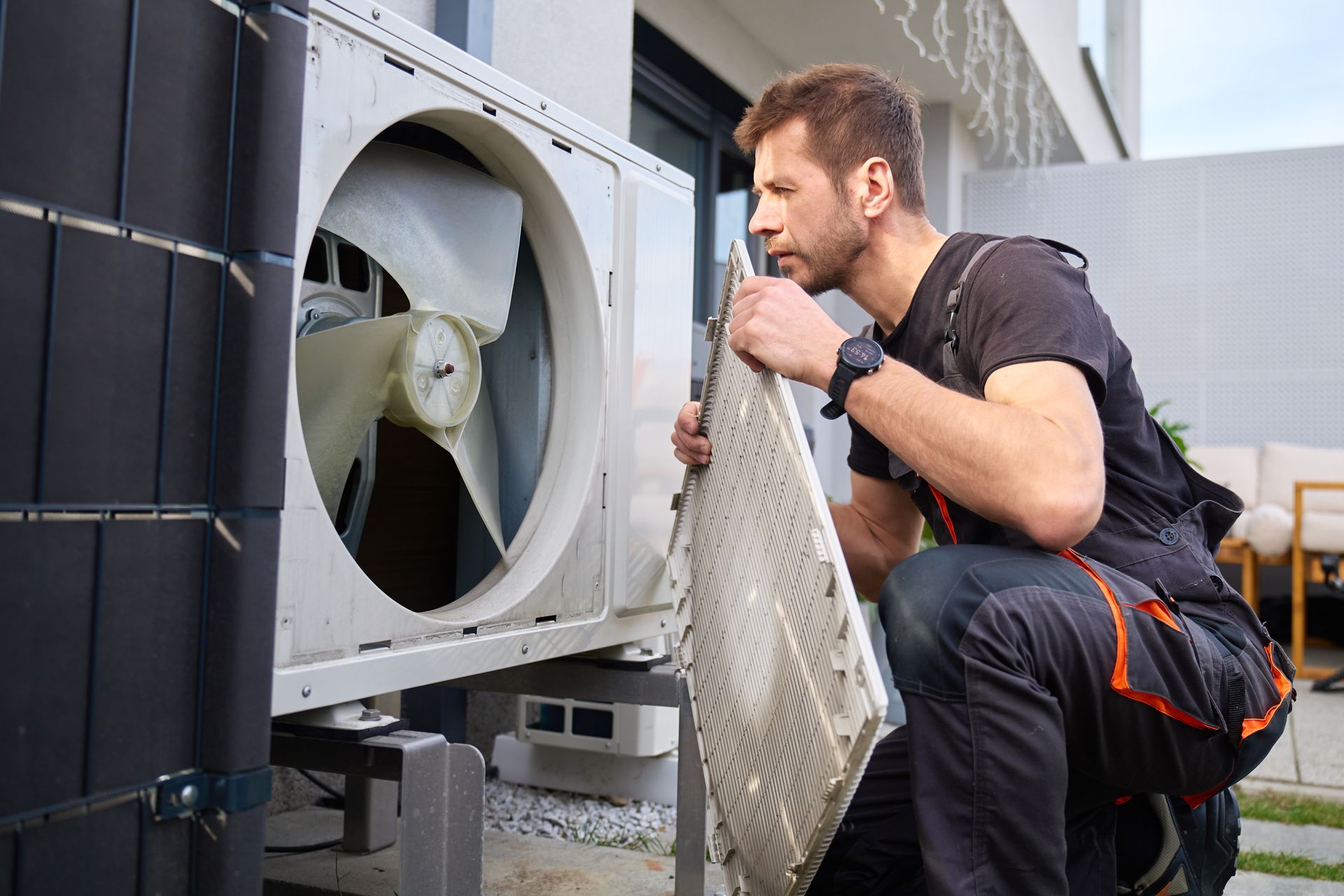
If you've replaced your air filter and adjusted your thermostat but your home still feels uncomfortable, it's time for a professional inspection. HVAC issues often develop gradually and can worsen over time if left unresolved.
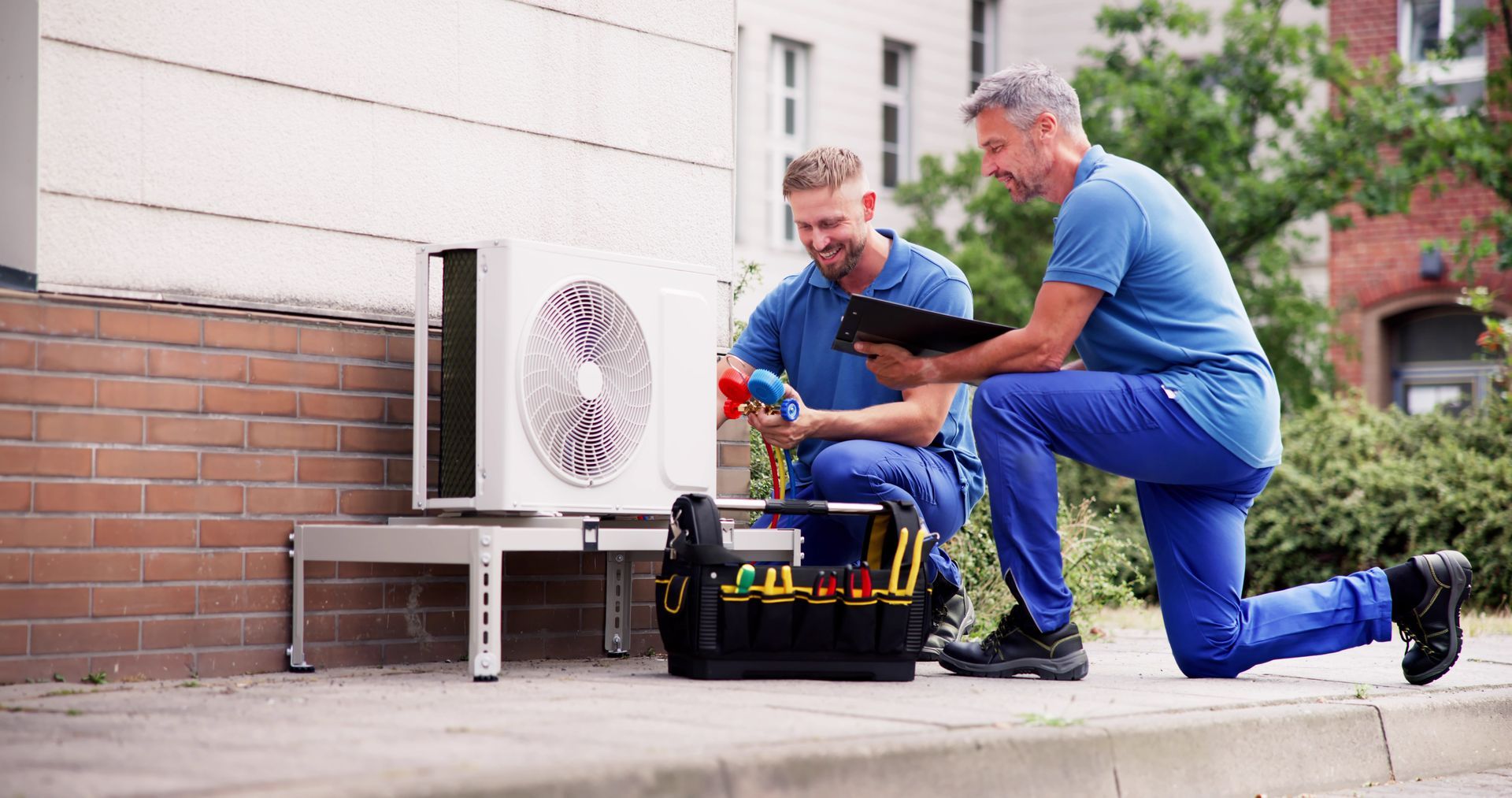
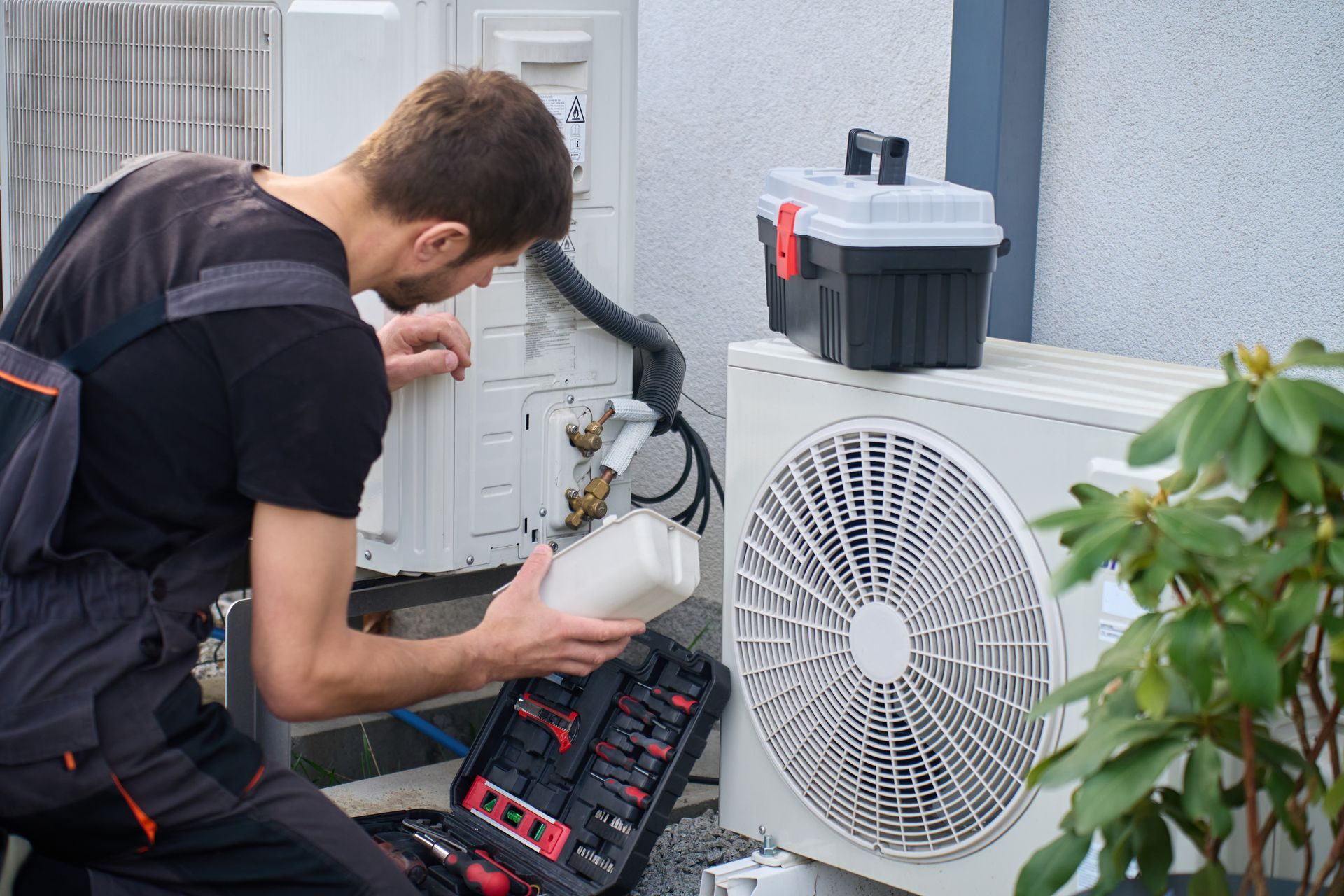
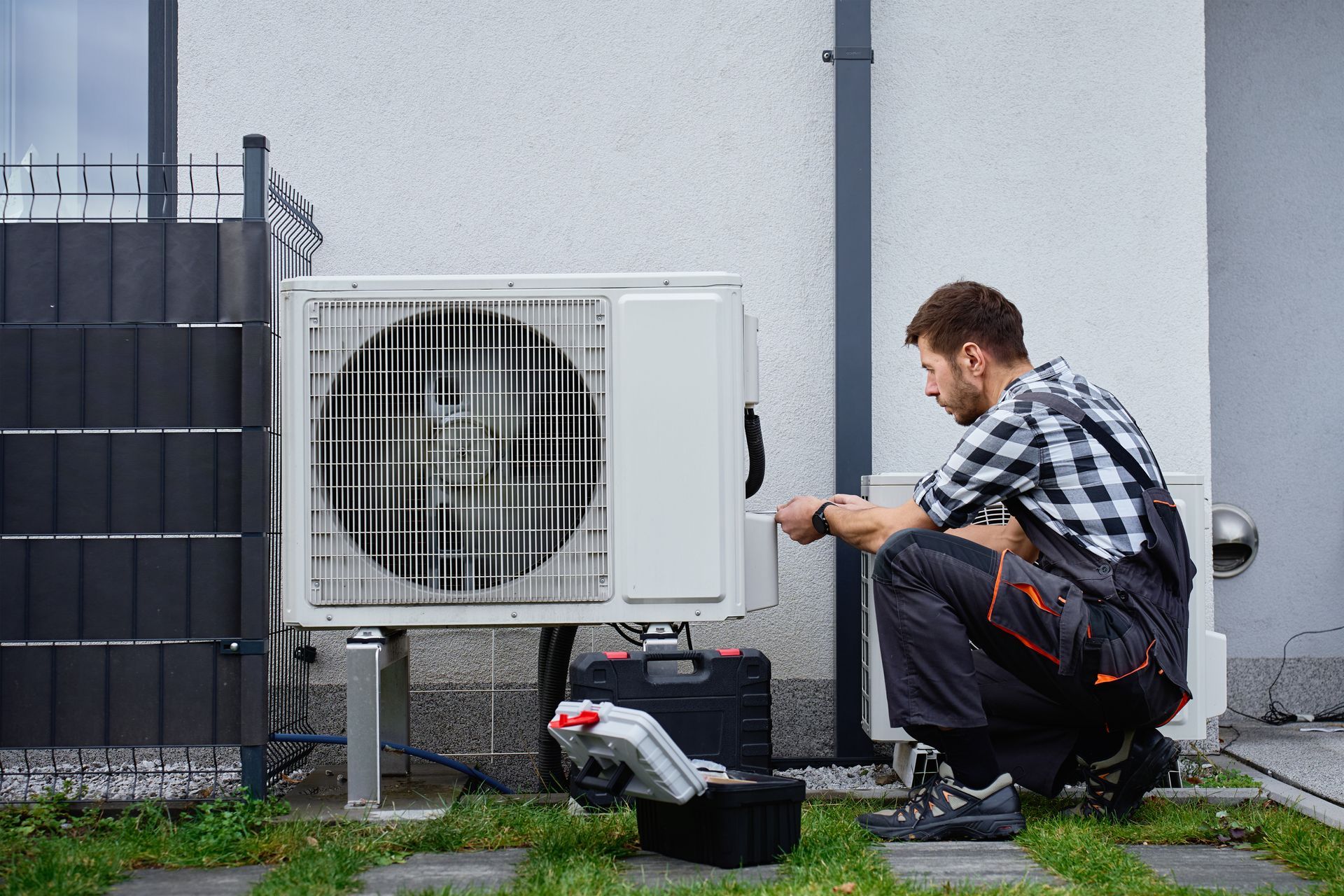
At Andy's HVAC Services, our experienced technicians provide comprehensive diagnostics, maintenance, repairs, and system upgrades to ensure your home stays comfortable in every season.
Schedule HVAC Service With Andy's HVAC Services
If your home never feels the right temperature, don't ignore the warning signs. Whether the problem involves airflow, ductwork, insulation, or aging equipment, the team at Andy's HVAC Services can help identify the cause and recommend the best solution.
Contact Andy's HVAC Services today to schedule a professional HVAC inspection and enjoy reliable comfort, improved efficiency, and peace of mind all year long.